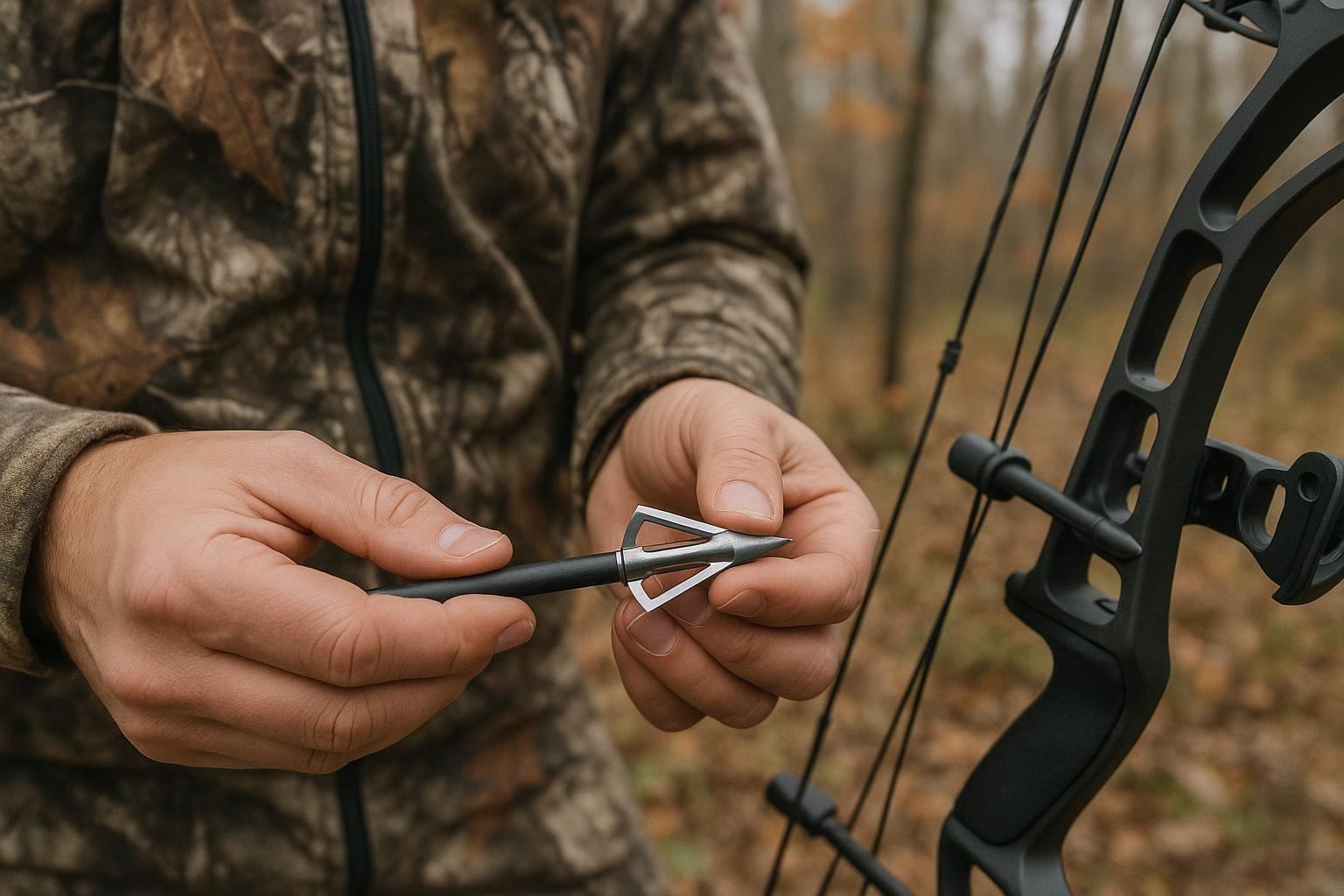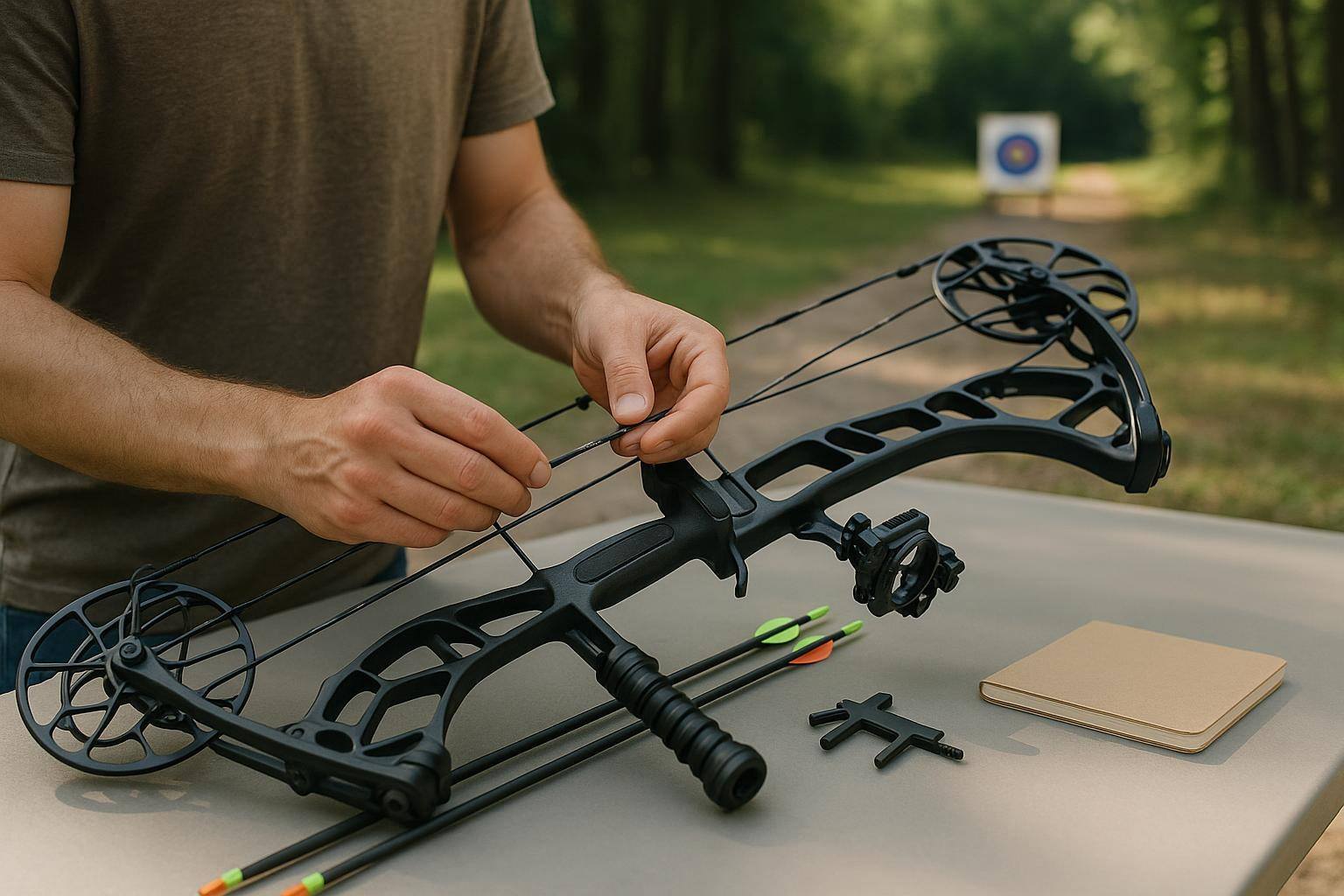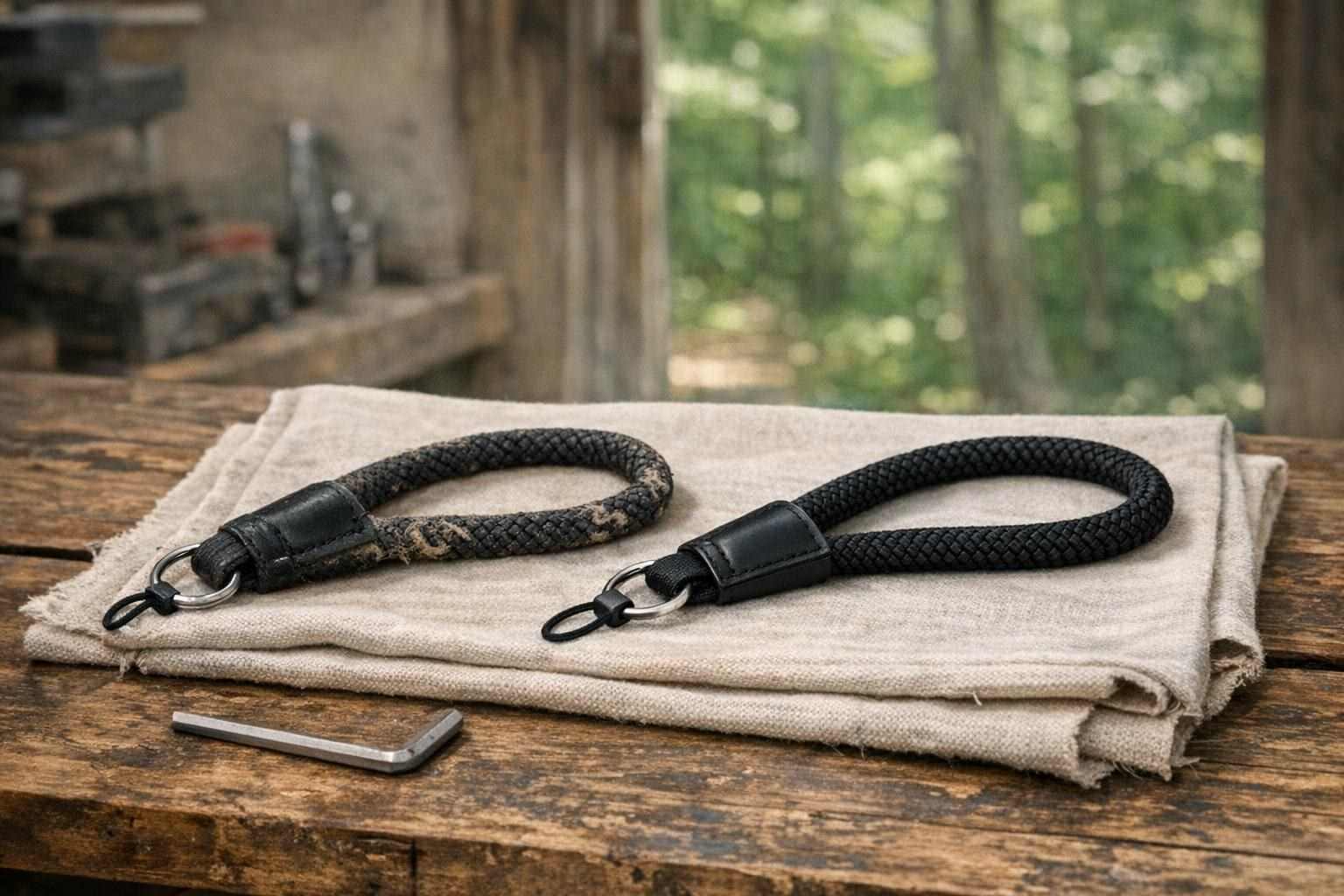
Many of the parts that make up a bow can wear in small ways and soon the bow will no longer feel quite right. A loose sight, worn serving, tired wrist sling, or worn rest can cause all sorts of problem before they finally fail. Replacing all of your archery accessories at once is rarely needed. In fact it can create as many problems as it solves. Look for the root cause of a problem, check the surrounding parts and repair as necessary. First repair anything that may cause injury or lead to inconsistent shots.
Start with the symptoms, not the catalog
Sometimes the only way to diagnose a problem is to see how your arrows perform. New noises such as clicking, creaking, scraping or even a sharp slap can point to worn out parts or even neglected areas of your bow. In many cases the cause of a problem can be far removed from the symptom. For example, a loose screw in a mounting screw could cause a sight to appear to shift. Similarly, worn nocking points or serving can cause a rest to seem unpredictable.
Note that the worst part for problems with your bow can be hidden from view. For example a loose mounting screw for a sight can look like the sight itself is faulty. Arrow nocking point wear, or serving failure can look like rest problems, even though the rest itself is fine. A cracked limb bolt cover, loose quiver mount or deteriorating cable slide can look like they don't cause any problems yet, but don't get left!
Follow the bow manufacturer's instructions when inspecting the bow and its accessories. Specifically, check for cuts, wear to fibers, flared or worn serving material, bent or damaged hardware, and the absence of critical fasteners. Also look for structural parts (such as limb bolts, below) as well as the string and cables. Consult a qualified bow technician for repairs to any of these critical components rather than awaiting failure of an accessory part.
Separate wear from adjustment
Also, just because something wears out doesn't mean it has to be replaced. A quiver that has become loose could cause many problems with a bow. Also, if a sight has been moved from its original setting then the mounting hardware for that sight must be checked and then tightened as needed. Similarly, a rest that has been moved from its original setting would need to be re-aligned.
Always try to make the smallest change first. Mark the original position of an archery accessory with a reference point of some sort. If necessary, use a removable reference point to mark the original position of an archery accessory. When fine-tuning, make one change at a time. Test a controlled group of arrows at safe distances. Do not make changes to your rest, sight, bow stabilizer, release, and arrows all at once. It will be very hard to determine which change helped.
First look for (1) fasteners, (2) contact surfaces, (3) abrasion protection, and (4) any moving parts. Check all screws to ensure they will engage properly into their corresponding screw hole. Don't force a larger screw into a stripped thread or into a damaged mounting surface. Such repair techniques can mask the problem rather than fix it for good.
Decide what deserves priority
Safety first! Items that pose structural risks (such as damaged string or cables, cracked parts, sharp edges, etc.) should be addressed first. In general, comfort/convenience issues (like worn out strap abound of wearing brake rubbers, etc) can be addressed afterwards.
Parts that affect shot after shot, such as how the arrow is held, reference for aiming, the bow's draw, and safe handling, should be replaced as soon as possible. A worn launcher on your bow rest, worn or damaged adjustment threads on your bow sight, and a release aid that is beginning to wear can cause problems in your shooting while still allowing you to hunt with your bow.
Finally, as long as a component is not worn, we don't necessarily need to replace it with a brand new model. Some wear and tear is to be expected on external components, but it doesn't necessarily need to be addressed prior to the start of the season.
Match the replacement to the existing setup
Not only must the new replacement part match the existing bowhunting gear (i.e., be compatible with it), the mounting pattern, clearance, handedness, arrow diameter, etc., must also match the rest of the setup. A new archery rest might require the launcher to be positioned in a different location on the bow. Likewise, a new sight could affect the balance point of the bow and cause it to fall in a different location upon release.
Also, keep the rest of your archery gear the same. Test the replacement component with the same arrows, same draw weight, same release, and same shooting form as before. Take note of the original position of the replaced part and keep the old component until you have had a chance to test the new one. Even though the old part may no longer be usable, it will serve as good reference to the changes that you made to your setup.
Read the manual for installing and adjusting the accessory before making any modifications. Some maintenance may require the part to be pressed or fitted in some way or even adjustments to be made to the bow press, cam, bow string or cable. Remember to never even attempt to weaken any part of the bow or place any foreign materials in the path of an arrow.
Confirm the repair before hunting
Just because you think you have made the change successfully, does not mean to keep shooting. Immediately go for a test shot or several test shots at a safe practice location and at a safe practice distance to see if everything is still working properly. New contact points, new noise, and/or arrow flight will quickly indicate if all is still well.
Make sure your test shots are taken from safe distances and locations with a good backstop. Don't keep making tweak after tweak in hopes that you can somehow modify a failing part of your bow. At some point you'll discover the root cause of the problem and have to address it rather than continue to modify other components of your bow in an attempt to make the faulty ones work.
For Ohio bowhunting make sure to read up on current regulations for equipment and method of hunting prior to the season. General maintenance information does not supercede current information from wildlife authorities.
It's good to keep a short maintenance record of parts that you replace. Record date, part(s) that were replaced, original setting(s) and any other symptoms that remain. The best way to learn about wear and tear on your archery equipment is from your own notes and experiences in the field.
Replacing every part on your bowhunting accessories is not necessary. In reality, much of the components on your archery accessories are meant to be replaced or to wear out over time. In the mean time, be sure to recognize when there is actual wear and tear versus just cosmetic wear. Make the necessary repairs in order to protect your bow and ensure you have reliable equipment for your next hunting trip.