Preparing for the Perfect Shot: Key Considerations for Ohio Bowhunters
When engaging in bowhunting a broadside deer may seem like the target but ethical hunting is much more than just seeing the angle of the animal. Many things need to be thought about before taking the shot. Situations like distance things in the way movement, where you are standing and how your gear is doing matter a lot in deciding if it is the right time to shoot. A important skill is knowing when to stop and think. It takes work to make this part of your shooting habit. For hunters in Ohio three main rules can help in those times: check the chance make sure your bow is working well and don't take the shot if something feels wrong.
Understanding Deer Behavior
A deers position tells a lot about how aware it's. A calm still deer gives a chance to think carefully.. If the deer is awake or moving things can change quickly. Think about if the animal's looking at you before you start to draw your bow; it might see any sudden actions. On the hand if the deer is heading toward thicker bushes staying put might mean you miss your chance yet rushing in with excitement won't help.
Looking at the distance is also very important. Use the distance where you have been able to hit the target with broadheads during practice, not the farthest you have shot in good conditions. Many things, like wind, high places and cold weather can make things feel different. If you are not sure about the distance think about waiting or letting the deer go.
Incorporating Deliberate Pauses
A short time to think can really help with shooting. Before you pull your bow back go through a list:
– Can I see the deer clearly and is it calm?
– Is there a clear shot and a safe way to recover?
– Is this distance something I have practiced?
– Am I steady and can I pull smoothly?
– If something doesn't feel right can I lower the bow safely?
Remember, being at draw doesn't mean you have to shoot. Learning how to lower the bow carefully is a part of the process especially when shooting from a tree or a strange position. If the deer moves or something blocks your view lower the bow without any delay.
Using a signal like saying "clear steady ready " can help build your mental plan. The exact words are not as important as using your decision making rules each time you are in the field. This habit can help keep excitement out of choices.
Equipment Checks: Focus on Key Areas
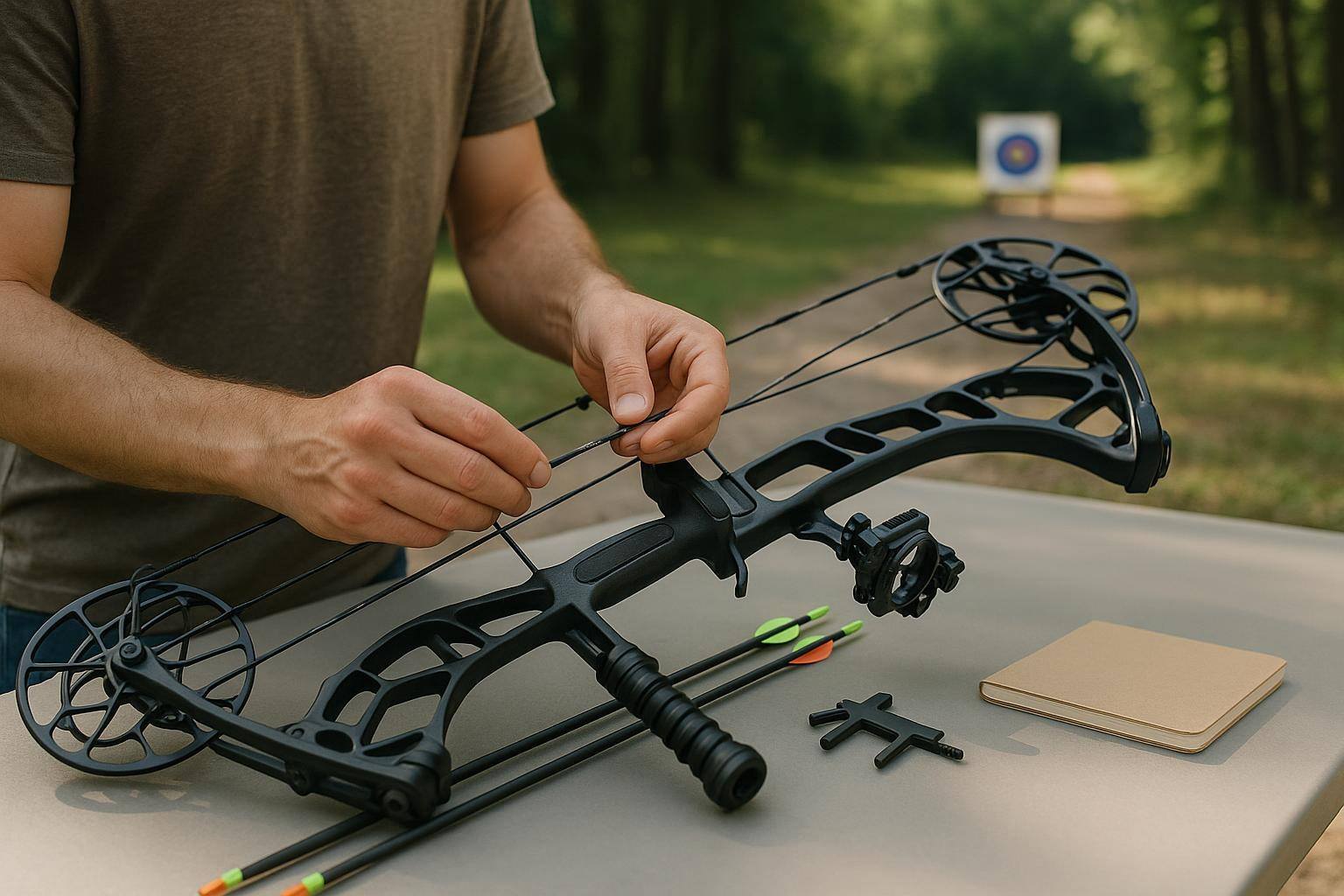
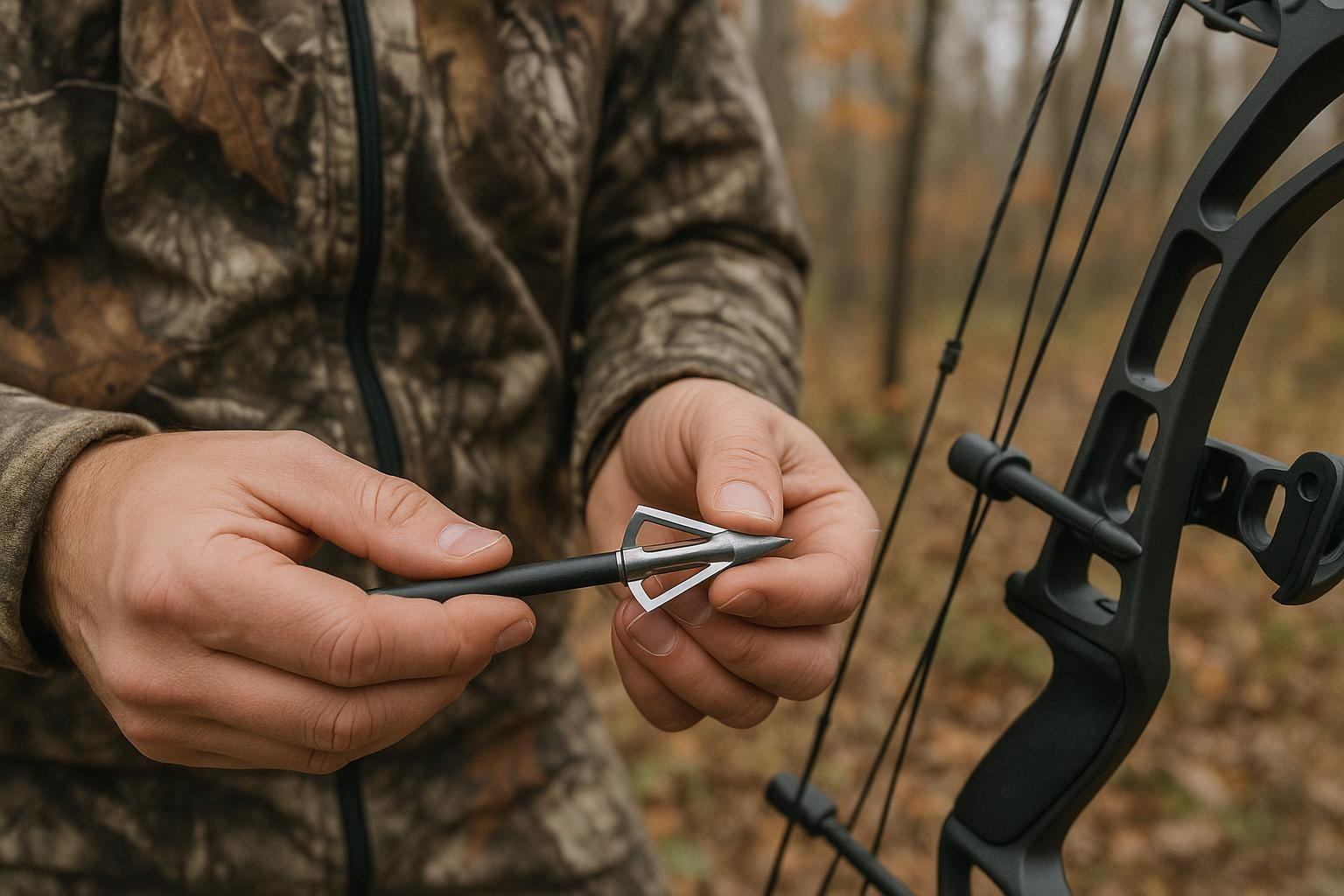
Taking care of your gear can be the difference between a hunt and a bad one. Look at the parts of your equipment that're most likely to fail not just the bow limbs. Check the nocking point, string and cables nocks, broadhead setups and any loose items. Watch for signs of damage like fraying or any new problems since your last time practicing.
Your arrows need attention too. Spin them on a surface to see if they are bent or broken. Make sure the fletching, nocks and other parts match your setup. Any change from what you practice can shake your confidence even if your bow is working fine.
Never. Change anything right before a hunt. Even small changes can affect how you shoot and how the arrows fly. It's best to follow the makers instructions for any gear problems and ask a professional if you are not sure.
Training: Make Decisions Matter
Good preparation is more than hitting the target. Practice real hunting situations by adding moments of decision making. Shoot from places and different positions. Test yourself with distances but also as part of your setup: know your view, plan for things in the way and decide if you want to draw or wait.
Challenge yourself by picking actions before each shot-whether to wait, pass or draw. This isn't, about speed or making yourself nervous. About making smart choices something you do naturally. Keep track of your choices and how they fit with your rules; if tiredness starts to change your form that's a sign to stop.
Thinking about your practice sessions will show where your limits are. If you miss from angles that means you have learned more about your limits. Don't force a group of arrows to look good.