A tight indoor group can create a misleading sense of readiness. The harder test is repeating a controlled shot when distance is uncertain, footing is uneven, the target is partly screened or the opportunity fails your ethical standard. Good archery practice combines equipment inspection, deliberate repetition and sound judgment. The goal is not to force more shots into a session, but to make the correct decision and execute a safe, reliable shot when conditions deserve one.
Start with a bow that gives honest feedback
Before working on form, check whether the equipment is changing the result. A frayed bowstring or serving, loose sight hardware, damaged arrow, cracked nock or unusual post-shot noise is not a minor annoyance. Stop and identify the cause. If you cannot inspect or correct it confidently, use a qualified bow technician rather than guessing.
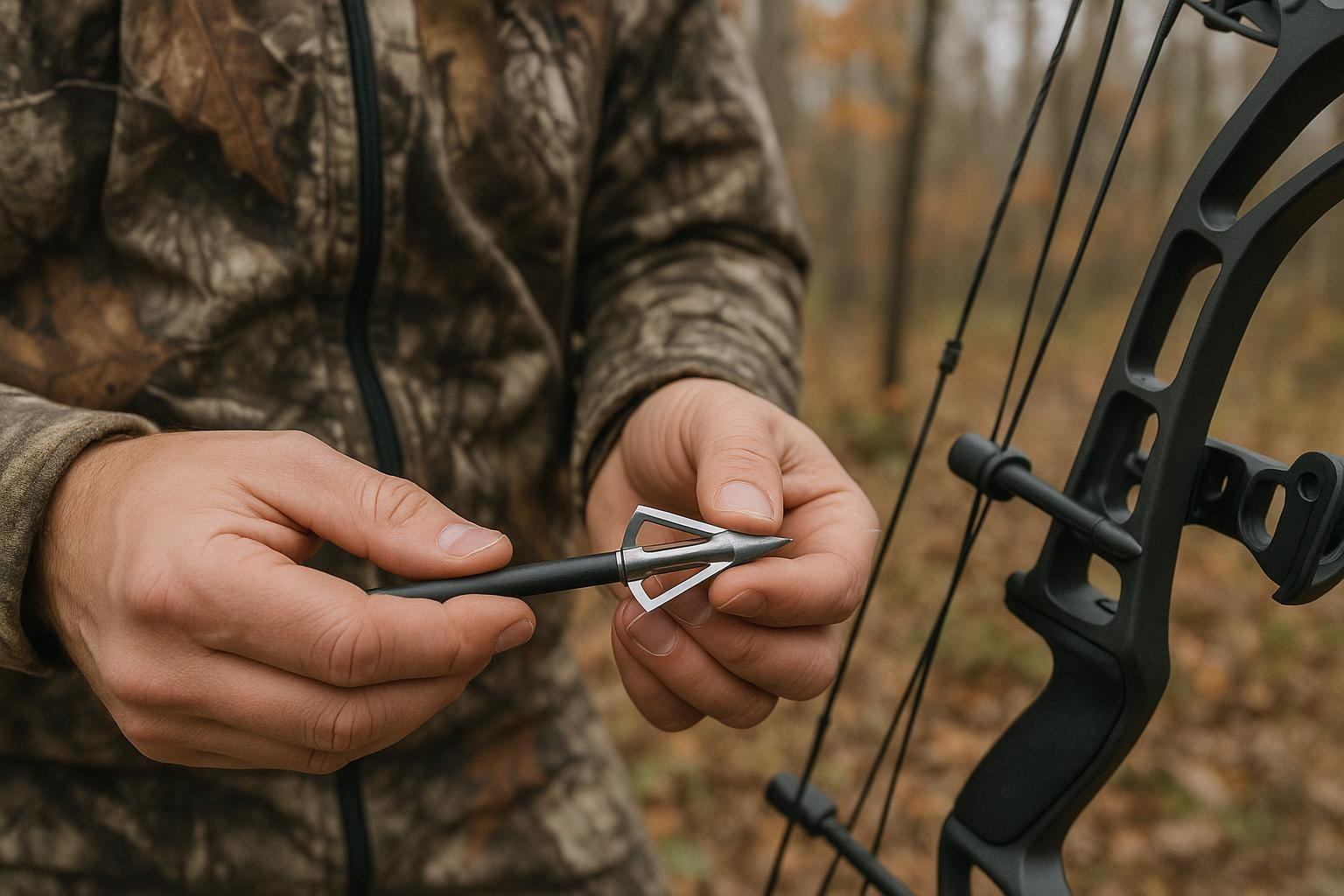
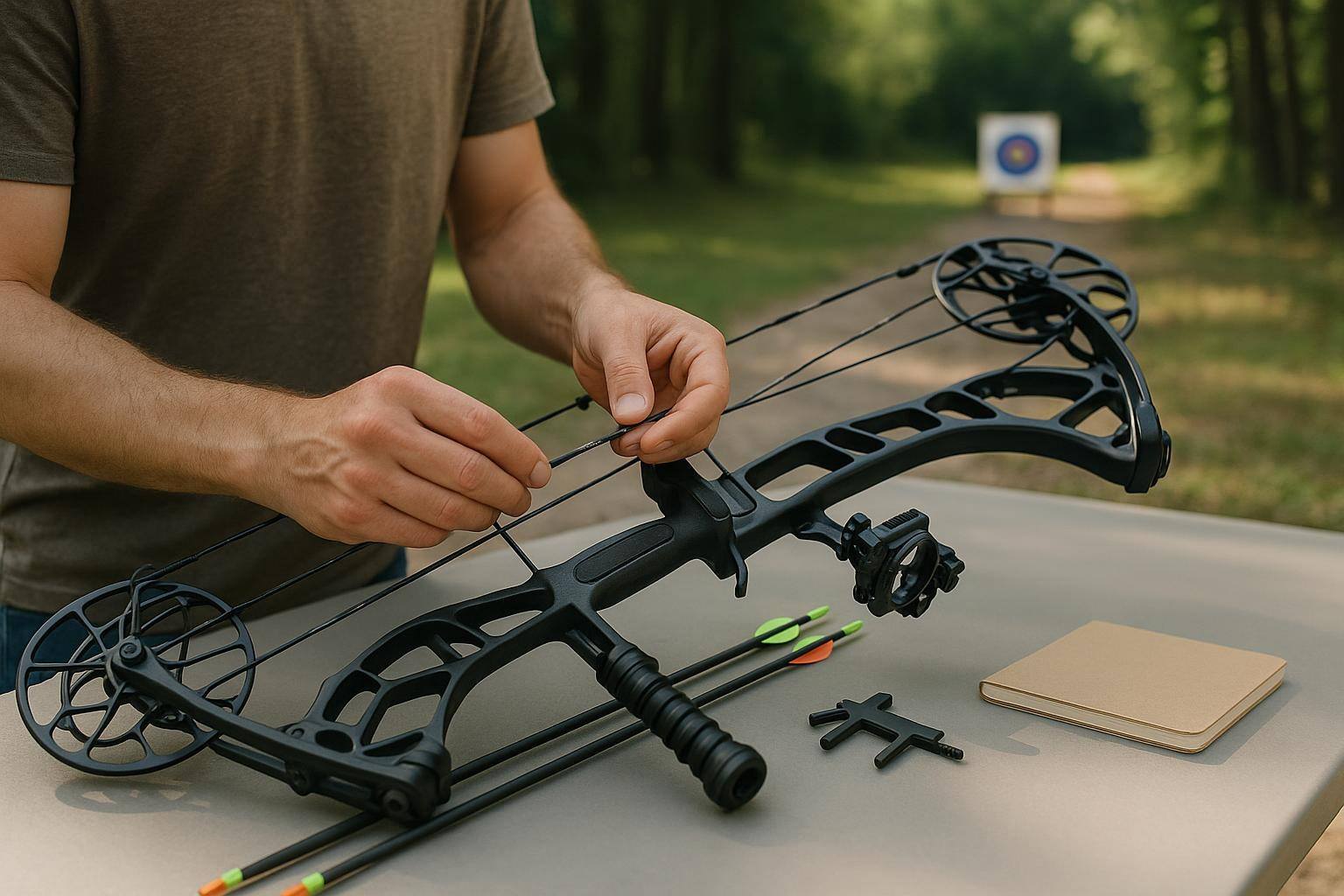
Run your fingers lightly along the string and servings, looking for broken strands, separation or excessive wear. Check that cams, bolts, rests, sights and stabilizer connections are secure without overtightening anything. Inspect arrows under good light. A shaft that is bent, split, deeply scratched or damaged around the nock or insert belongs out of the shooting rotation. Spin checks can reveal problems, but they do not replace close visual inspection.
Notice symptoms during practice: a new buzz, changed point of impact, inconsistent nock fit, unexplained arrow damage or a different-feeling draw cycle. A single poor shot may be the archer. A sudden pattern may be the bow.
Turn repetition into deliberate practice
Deliberate practice has a narrower purpose than shooting until the quiver is empty. Choose one variable, define what good execution feels like and stop when fatigue changes the movement. One session might focus on a steady anchor; another might emphasize a relaxed bow arm and smooth release.
Use a consistent sequence: set the feet, establish posture, draw under control, settle the sight, expand through the shot and follow through without rushing to watch the arrow. The sequence should remain recognizable at different distances and positions. If a session becomes a series of hurried corrections, shorten it and reset rather than rehearsing poor movement.
A useful practice note records more than the score. Write down the distance, bow setup, number of quality shots and the most common error. If arrows consistently drift in one direction, check form and equipment before changing the sight. Make one adjustment at a time so you know what helped.
Add the conditions an indoor lane removes
An indoor range is valuable for repeatable form work, but it removes variables that expose weak preparation. Once basic execution is dependable, practice from realistic but controlled positions: standing, kneeling where safe, turning into the shot and settling after a short walk. Keep the distance known while learning to manage posture and breathing.
Before every arrow, ask three questions: Can I make a clean shot from this position? Can I place the arrow in the intended vital area with a reasonable margin for error? What lies beyond the target if the arrow misses or passes through? If any answer is uncertain, do not shoot. Wait, reposition safely or let the opportunity go.
That standard matters more than extending practice distance. A difficult angle, obstructed lane, unstable footing or hurried draw can make a technically sound archer unreliable. Practice should teach you to recognize those limits early, not persuade you that every situation can be solved with confidence.
Make bowhunting ethics part of the routine
Ethical decisions are part of shooting skill and preparation. A responsible hunter knows the effective range of the current setup, understands how fatigue affects form and refuses to let excitement determine distance or angle.
Practice identifying no-shot situations before an animal is involved. Examples include an unclear target, a screened vital area, unsafe ground beyond the animal, excessive movement required to draw or conditions that prevent you from judging the opportunity. If the animal's movement makes a controlled hit unlikely, wait for a better position rather than trying to rescue the moment.
Recovery planning belongs in that decision. Know where the animal was standing, watch its direction of travel and mark the last clear location if a shot is taken. Follow applicable tracking and retrieval requirements, and seek experienced help when the sign is confusing. Ethical bowhunting is measured by restraint, preparation and follow-through, not by how quickly an arrow leaves the string.
Verify Ohio rules before the season, not from memory
Ohio hunting regulations can change, and general advice cannot replace current official requirements. Before hunting, review the current Ohio Department of Natural Resources guidance for the species, season dates, legal equipment, license and permit requirements, hunter education obligations, tagging and reporting procedures, and area-specific restrictions.
Do not rely on an old booklet, a remembered rule or a friend's summary when a detail affects legality. Check the current source close to the season and again if plans change. Regulations may differ by species or location, and a method lawful in one setting may not be lawful in another.
Keep this short pre-season checklist with your gear notes:
– Inspect the bow, string, servings, fasteners, rest, sight, arrows and broadheads.
– Confirm that the setup is tuned and damaged components are removed.
– Practice from positions and distances you can control, not those you hope to manage.
– Define personal no-shot conditions before entering the field.
– Review current Ohio regulations and carry required licenses, permits and identification.
– Decide how you will mark, wait, track and seek help after a shot.
Consistent preparation leaves fewer decisions to chance. When the equipment is sound, the shot process is familiar and legal and ethical boundaries are clear, practice becomes more than target work. It becomes a quiet test of whether your standards hold when the range no longer makes every variable convenient.